
Club culture is not a luxury, but an expression of a basic human need
3. September 2025

"Club culture is not a luxury, but an expression of a basic human need"
Alexander Bücheli is Managing Director of the Bar & Club Commission and has been campaigning for nightlife culture for years. A conversation about the death of clubs, new nightlife habits and why they created Clubnacht.

For those who only know your work by name: What exactly do you do and why is it important today?
We campaign for good framework conditions for nightlife. We advise our members, for example on noise complaints, personnel issues or other problems. We offer further training for employees, network the scene and do public relations work. We explain what club culture means and why it is an indispensable part of a vibrant city.
Nightlife looks different than it did 10 or 20 years ago. What has changed the most?
The scene has changed fundamentally. In the past, people often partied illegally in basements, old factories, somewhere on the outskirts of the city. The deindustrialization of the cities created spaces that made clubs possible in the first place. A turning point was the liberalization of the Hospitality Industry Act at the end of the 1990s. This turned the subculture into an economic sector. Today, everything is more professional. What is now noticeable is that interim uses are increasingly disappearing, investors are buying, building and displacing. Spaces are being lost.
The Zukunft club is history, the Mascotte is closing - two established names in Zurich's nightlife have disappeared this year. Are these isolated cases or an expression of a structural problem?
It's a massive loss - like the closure of a well-known theater in the city. Cultural spaces are disappearing, not just venues. The Zuki had an international network, the Mascotte has over a hundred years of history. Such venues not only host hundreds of cultural events, they shape the identity of a city and cannot simply be replaced. Of course, each case has its own history. But the pattern is clear: in the last 15 to 20 years, the number of dance venues in Zurich has fallen by around 30 percent. This has happened quietly and gradually. The biggest problem is finding suitable, affordable rooms. Everyone wants to go out, but nobody wants the club next door. And the increasing economic challenges are now also leading to a lack of interest in opening a new club.
Many young people are drinking more consciously or no longer drink alcohol at all, and revenue per guest is falling. What does this mean for the business model of clubs?
You can clearly feel it. The bar accounts for at least 60% of turnover. But what is much more significant is the declining purchasing power of our target group. I did my apprenticeship 35 years ago - the apprentice's wage is still roughly the same, but the general cost of living has risen sharply. Young people are also spending less because their purchasing power has decreased in recent years. And they are going out differently: in early, out early. The clubs are responding - with daydancing, early evenings and new formaten.
Does this mean that non-alcoholic drinks are a must today?
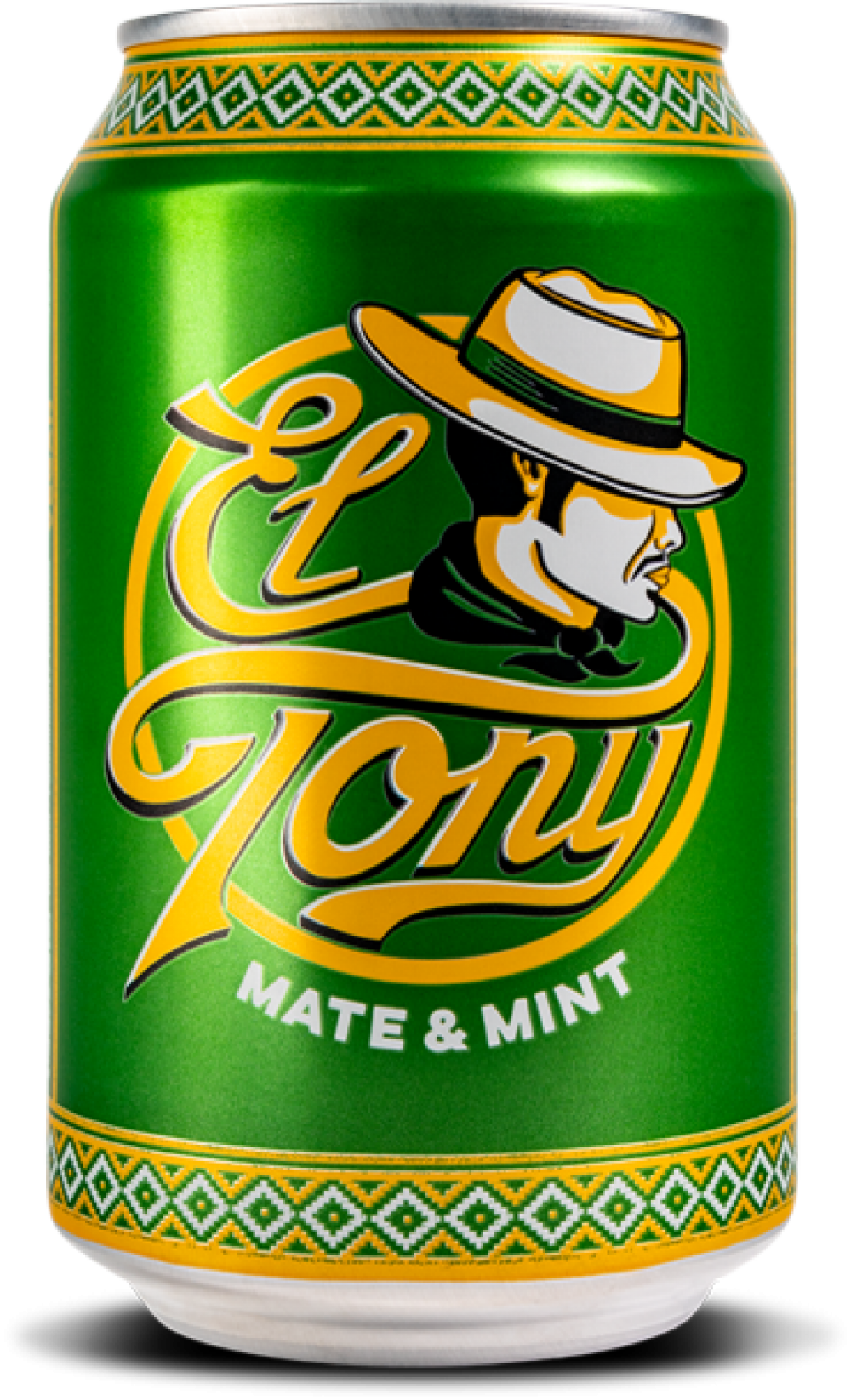
Definitely. The demand for non-alcoholic drinks is increasing. An attractive non-alcoholic range is simply a must today. Not just Coke or Sprite, but also mocktails, grapefruit soda, Mate. This has long been standard. I recently spoke to someone from the spirits industry who said that the filler has gained in value. It's no longer primarily about the alcohol, but increasingly about what you combine it with. People want the Mate from El Tony, for example, as a filler and not just any brand. For clubs, this means thinking more broadly and focusing on new products. Of course, without alcohol, the third or fourth round often fails to materialize. You notice that in sales. But if you want to offer a contemporary bar culture today, there's no getting around drinks like this.
In September, you're launching Club Night - a new format for students. What's the idea behind it?
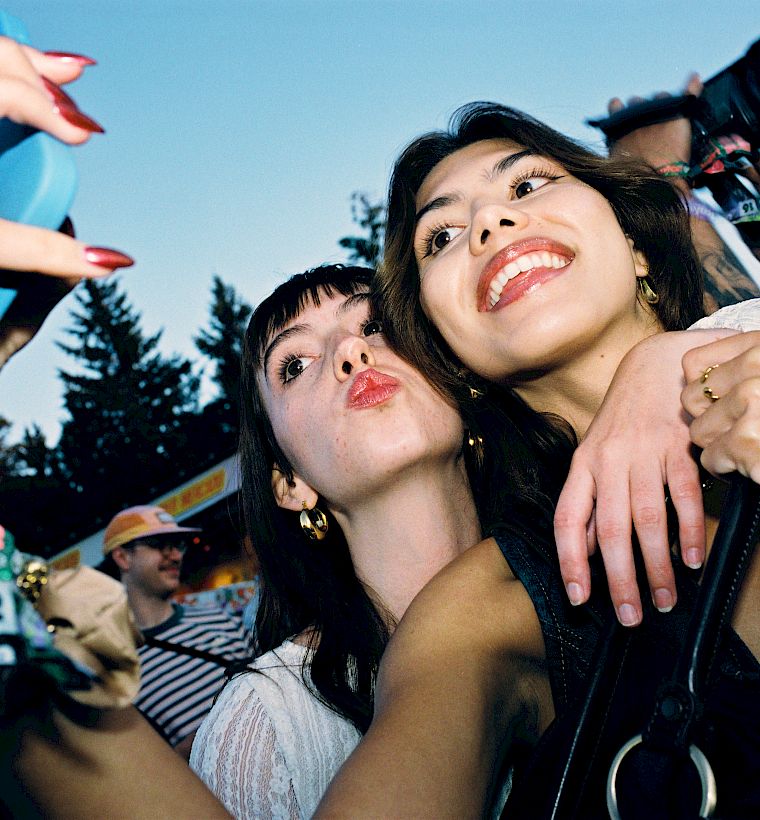
With the club night, we want to invite young people in particular to get a taste. Around a dozen Zurich clubs are opening their doors to coincide with the start of the semester: 20 francs entry, various music genres - just come in and try it out. It's also about bringing the next generation closer to the scene. We have perhaps focused on adult clubbing, over 21, for too long.
You organize the pre-party for the club night at Schickeria on Langstrasse with El Tony Mate. How important are such partnerships in making new offers visible?
Extremely important. Club culture has always been a playing field for collaborations - with technology, fashion, art or drinks. El Tony is a good example: the drink grew in the scene, not in the supermarket. Many people associate it with late nights, staying awake and getting to know people. Emotional memories like these remain - and that's exactly why these partnerships work. You can't buy emotions, but you can be present where they are created. Clubs are that place. If you are visible there, you stay in people's minds.
Why does club culture need political backing and what needs to happen to ensure that it remains a part of Zurich in the future?
Club culture is not a luxury, but an expression of a basic human need: music, movement, emotions, expression. A club night is a creative act - live, ephemeral, supported by the audience. That is culture. And it deserves recognition. Nevertheless, it is often overlooked politically. For too long it has had no lobby. And because it used to be self-sustaining, it was never asked whether it needed to be supported. Unfortunately, this is no longer enough today: rooms are disappearing, costs are rising and revenue per guest is falling. Without future funding - for programs, infrastructure, awareness - things will get tight. We also find it particularly exciting to think about how to support young people's access to cultural events, for example through cultural GA. Other cities are further ahead: Berlin with noise protection funds, Amsterdam with a night mayor, England with the agent of change principle. In Switzerland, there is also club funding in Basel. However, there is no blueprint for club promotion that can be copied and pasted to other places. The first important step is to create structures that give the night a voice.
Pure El Tony Mate
Freshly brewed Cold Brew Yerba Mate tea from South America, pure and without frills. El Tony Mate not only refreshes, but also increases energy and focus.

Zero sugar
El Tony
Mate Zero
El Tony Mate ZERO bringt echten Mate-Taste, fresh brewed, zero sugar, zero calories, aber mit demselben El Tony-Kick. Klar, leicht, herb – dieselbe Energie, neu gedacht.

Spicy
El Tony
«Mate & Ginger»
Freshly brewed Cold Brew Yerba Mate tea from South America, refined with a touch of ginger. El Tony Mate not only refreshes, but also increases energy and focus.

Fresh
El Tony
«Mate & Mint»
Freshly brewed Cold Brew Yerba Mate tea from South America, refined with a touch of mint. El Tony Mate & Mint refreshes you twice with its hint of mint.